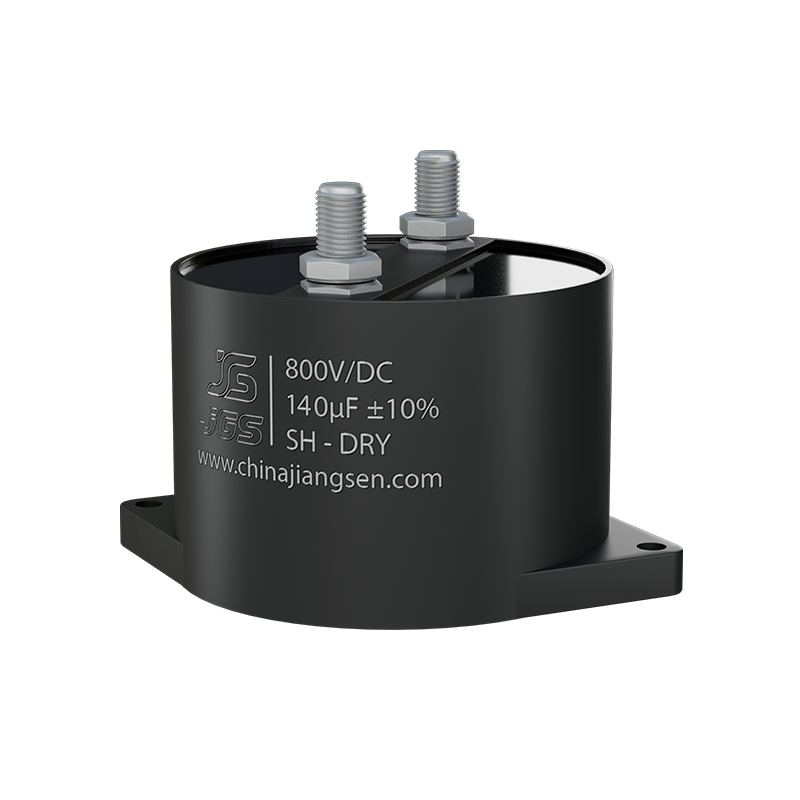
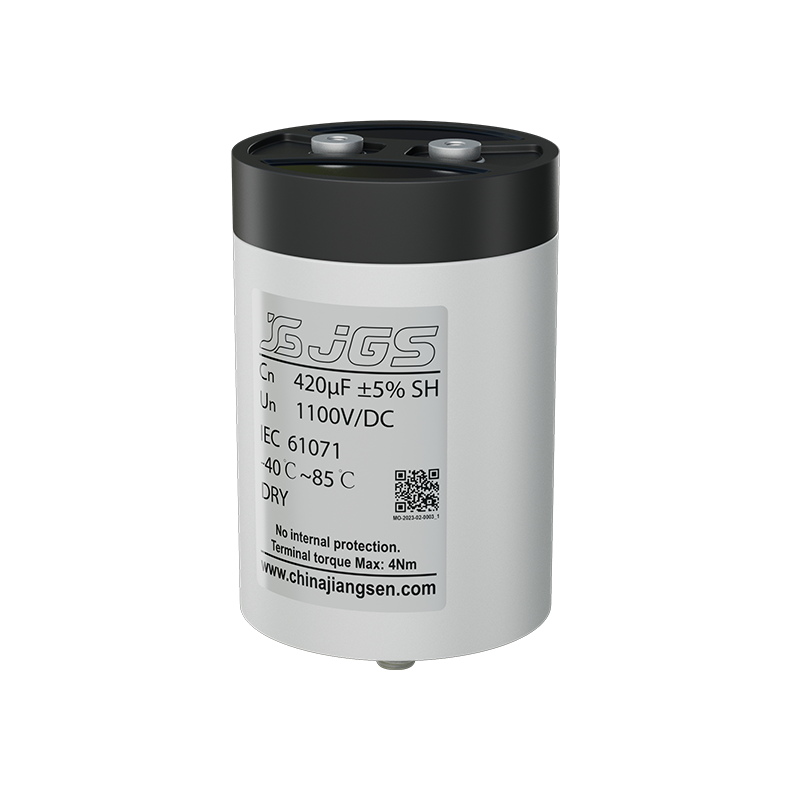
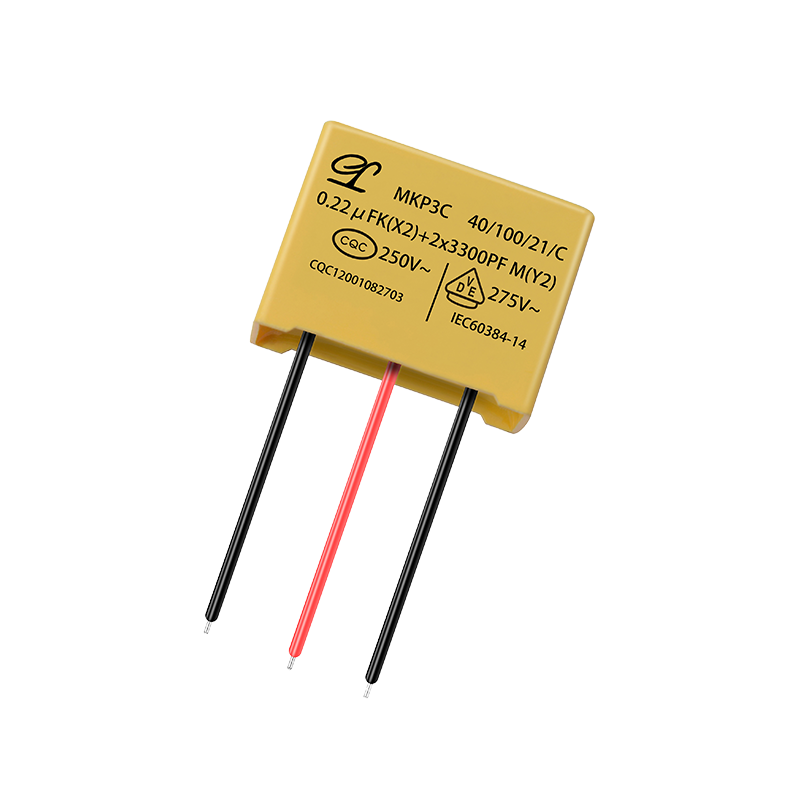
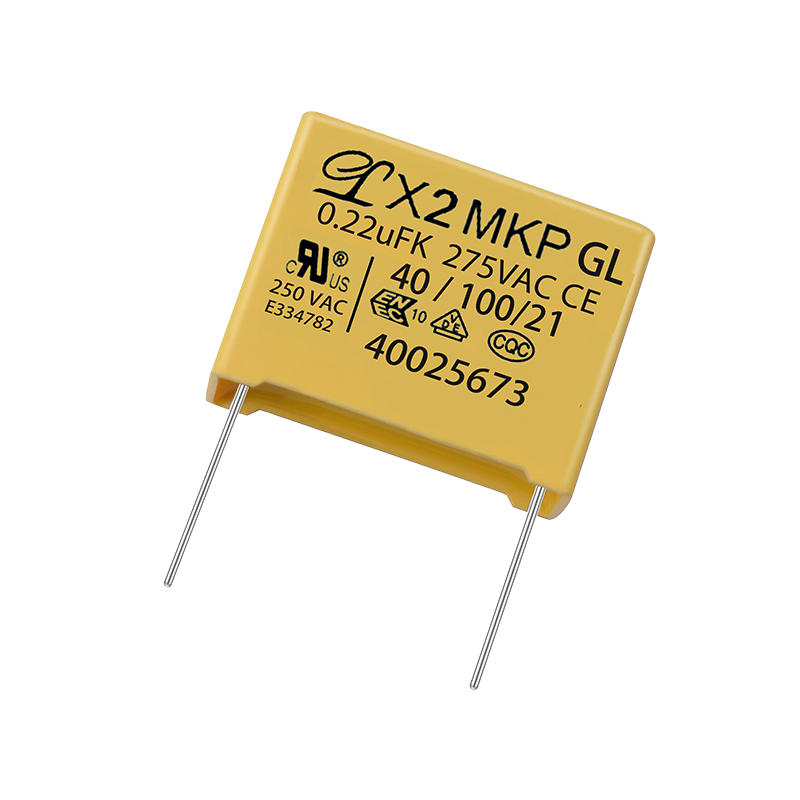
A condensatore di potenza è fondamentalmente un dispositivo di accumulo di energia progettato per migliorare l'efficienza, la stabilità e la qualità dell'energia dei sistemi elettrici a corrente alternata. La sua funzione primaria e più critica è fornire la compensazione della potenza reattiva, che corregge lo sfasamento tra tensione e corrente causato da carichi induttivi. In questo modo, un condensatore di potenza riduce direttamente le perdite di energia non necessarie, aumenta la capacità utilizzabile dell’infrastruttura elettrica e stabilizza i livelli di tensione attraverso la rete. Senza l’integrazione dei condensatori di potenza, le moderne reti elettriche industriali e commerciali soffrirebbero di gravi inefficienze, costi operativi più elevati e frequenti guasti alle apparecchiature dovuti a cadute di tensione e surriscaldamento. Pertanto, comprendere e applicare correttamente i condensatori di potenza non è semplicemente un passaggio di ottimizzazione opzionale, ma un requisito fondamentale per qualsiasi progetto di ingegneria elettrica affidabile.
Per comprendere appieno il valore di un condensatore di potenza, è necessario comprendere come interagisce con la corrente alternata. In un circuito CA standard, la tensione e la corrente idealmente aumentano e diminuiscono insieme in modo sincronizzato. Tuttavia, quando vengono introdotti carichi induttivi come motori, trasformatori e relè elettromagnetici, la corrente resta indietro rispetto alla tensione. Questo ritardo rappresenta la potenza reattiva, che non esegue alcun lavoro meccanico effettivo ma occupa comunque capacità nelle linee di trasmissione e nei trasformatori, generando calore come sottoprodotto.
Un condensatore di potenza funziona secondo il principio esattamente opposto di un induttore. Quando applicato al circuito, fa sì che la corrente guidi la tensione. Se posizionato strategicamente vicino a carichi induttivi, il condensatore contrasta l'effetto ritardante. Il condensatore immagazzina energia nel suo campo elettrico durante un semiciclo dell'onda CA e la rilascia nuovamente nel circuito durante l'altro semiciclo. Questo ciclo continuo di carica e scarica fornisce efficacemente la potenza reattiva localmente, invece di costringere la rete pubblica a generarla e trasmetterla su lunghe distanze. Questa fornitura localizzata di potenza reattiva è ciò che ripulisce fondamentalmente il profilo di potenza del sistema.
L'impiego di condensatori di potenza svolge diverse funzioni distinte e altamente misurabili all'interno di una rete di distribuzione elettrica. Ognuna di queste funzioni contribuisce a un funzionamento più affidabile ed economico.
Questo è il motivo più comune per installare un condensatore di potenza. Fornendo potenza reattiva sul posto, il condensatore riduce la potenza apparente totale prelevata dalla sorgente. Ciò consente ai trasformatori e ai conduttori esistenti di gestire una potenza attiva più utile senza richiedere costosi aggiornamenti dell’infrastruttura.
Quando la corrente elettrica viaggia attraverso i fili, incontra resistenza e reattanza, provocando una caduta di tensione. Quando un condensatore di potenza inietta corrente nel sistema, contrasta la reattanza induttiva delle linee, stabilizzando i livelli di tensione e prevenendo problemi alle apparecchiature.
Il calore generato nei cavi elettrici è proporzionale al quadrato della corrente che li attraversa. Poiché i condensatori di potenza riducono la corrente totale assorbita dall'alimentazione, riducono direttamente queste perdite di trasmissione e migliorano l'efficienza complessiva.
Non tutti i condensatori di potenza sono uguali. Il design e il materiale dielettrico utilizzato determinano dove e come vengono applicati sul campo.
| Tipo di condensatore | Materiale dielettrico | Applicazione tipica |
|---|---|---|
| Condensatori a pellicola | Pellicola di polipropilene | Rifasamento, filtraggio |
| Condensatori ceramici | Materiali ceramici | Circuiti ad alta frequenza, circuiti snubber |
| Condensatori elettrolitici in alluminio | Ossido di alluminio | Accumulo di energia DC, alimentatori |
| Condensatori in mica | Minerale di mica | Risonanza ad alta tensione e alta frequenza |
Per la correzione del fattore di potenza industriale, i condensatori a film di polipropilene metallizzato sono più comunemente utilizzati grazie alla loro affidabilità e alle proprietà autoriparanti.
Un condensatore è collegato direttamente a un singolo carico, in genere un motore, fornendo supporto di potenza reattiva localizzato.
Un banco di condensatori supporta più carichi che operano insieme, come una linea di produzione o un sistema di trasporto.
Un grande banco di condensatori è installato nel punto di ingresso dell'alimentazione principale e controllato automaticamente in base alla domanda totale del sistema.
Utilizzato per supportare carichi pesanti del motore e ridurre le cadute di tensione durante le condizioni di avvio.
Migliora l'efficienza dei sistemi HVAC, degli ascensori e delle infrastrutture di illuminazione.
Funziona insieme ai filtri armonici per stabilizzare le condizioni dell'alimentazione in ingresso.
Supporta la distribuzione dell'energia a lunga distanza e mantiene la stabilità della tensione nei siti di apparecchiature remote.
I moderni sistemi elettrici spesso contengono distorsioni armoniche dovute a carichi non lineari come VFD e sistemi UPS. I condensatori di potenza possono amplificare involontariamente le correnti armoniche, causando surriscaldamento e guasti.
Per mitigare questo problema, gli ingegneri utilizzano banchi di condensatori desintonizzati con reattori in serie che spostano le frequenze di risonanza lontano dalle armoniche dominanti, garantendo un funzionamento sicuro e stabile.
Definisce il livello di compensazione della potenza reattiva richiesto.
Deve corrispondere o superare la tensione del sistema per garantire una lunga durata.
Le alte temperature riducono la durata e l’efficienza dei condensatori.
Influisce sull'usura meccanica ed elettrica nei banchi di condensatori automatizzati.
I condensatori di potenza possono mantenere una carica elettrica pericolosa anche dopo la disconnessione. Procedure adeguate di scarico e messa a terra sono essenziali prima della manutenzione.
Le ispezioni di routine dovrebbero verificare eventuali rigonfiamenti, perdite, scolorimento e degrado della capacità. Qualsiasi cambiamento fisico anomalo è un segno di fallimento imminente.
Il vantaggio finanziario principale dei condensatori di potenza deriva dall'eliminazione delle sanzioni dei servizi pubblici e dalla riduzione delle perdite di energia. In molti impianti industriali, il ritorno sull'investimento si ottiene in meno di due anni grazie al risparmio sui costi della domanda e alla migliore efficienza del sistema.

© 2010-2024 www.chinajiangsen.com Tutti i diritti riservati.Produttori di condensatori a film di alimentazione DC Link personalizzati politica sulla riservatezza
增值电信业务经营许可证 苏ICP备12026789号-1